Gastronomi / Coğrafi İşaret Analizi
Restoran Menülerinde Coğrafi İşaret: Lezzetin Hafızası
Bir restoranın menüsü, yalnızca tabaklardan oluşmaz. O menüde, coğrafyanın dili, üreticinin emeği ve zamanın izi vardır.
Gastronomi dünyasında yerellik artık bir tercih değil; mutfakların kimliğini belirleyen temel bir yaklaşım. Ancak her yerel ürün aynı hikayeyi anlatmaz. Coğrafi işaretli ürünler, restoranlar için yalnızca bir malzeme değil; güvenle kurulan bir bağ, kaliteye dair sessiz bir söz ve kökeni olan bir anlatı anlamına gelir.
Ingredy olarak, coğrafi işaretli ürünlerin restoran menülerindeki rolünü üç başlık altında ele aldık.
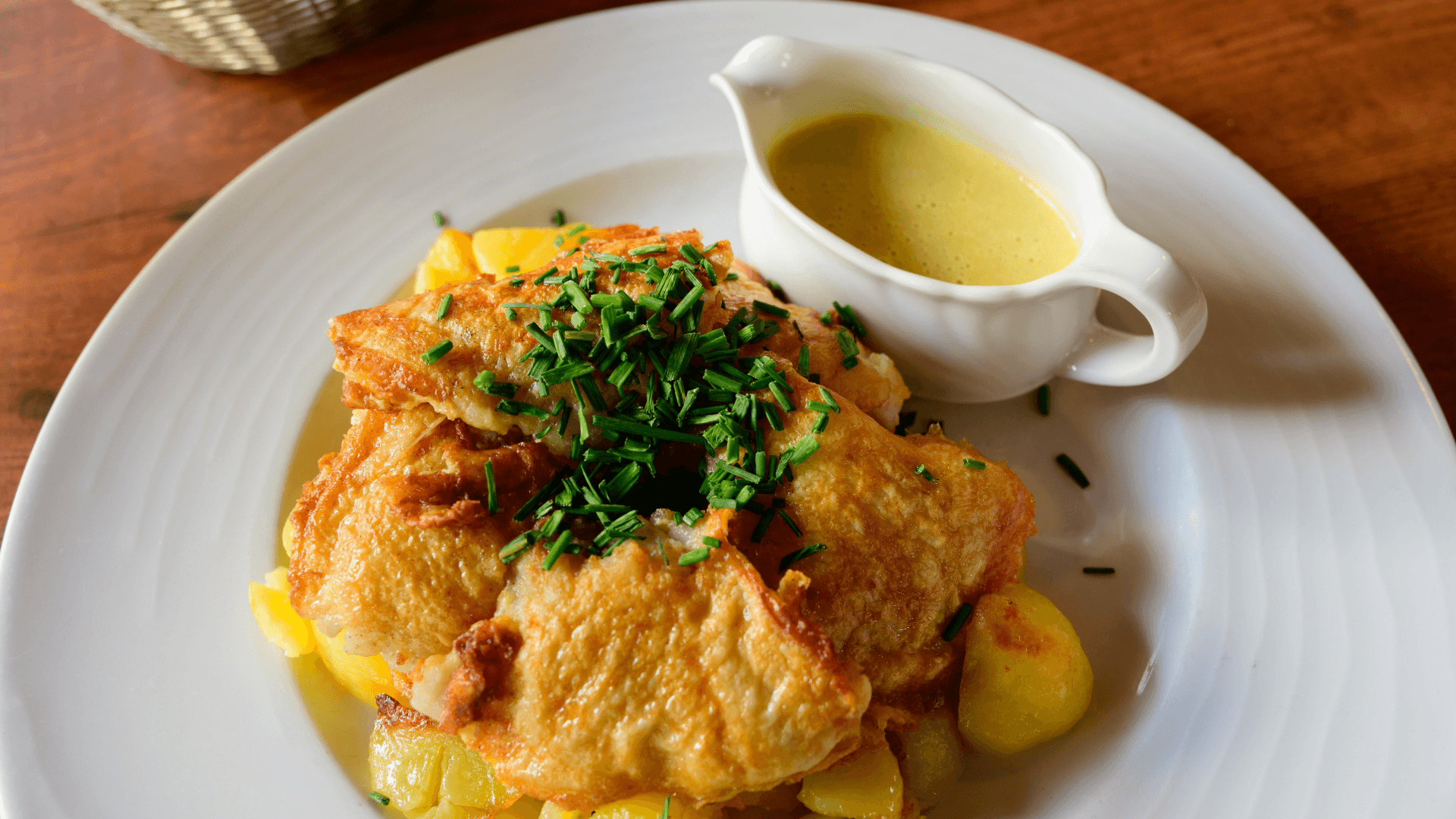
Kaliteyi Taşıyan Ürünler
Bir şef için malzemenin sürekliliği, mutfağın görünmeyen omurgasını oluşturur. Coğrafi işaretli ürünler, belirli bir üretim yöntemi ve coğrafi karakterle şekillendiği için, mutfakta daha öngörülebilir bir lezzet alanı yaratır.
Bu ürünler, yalnızca tat değil; yöntem, bilgi ve deneyim taşır. Aynı ürünü farklı zamanlarda kullandığınızda benzer bir karakterle karşılaşmanız, coğrafi işaret sisteminin en güçlü yanlarından biri.
Coğrafi işaretler, ürün kalitesini kolektif bir güven alanına dönüştürürken restoran mutfaklarında kalite standardının korunmasına da katkı sağlar.

Görünür Hale Gelen Tedarik
Modern misafir, tabağındaki ürünün nereden geldiğini merak eder. Coğrafi işaretli ürünler, bu merakı karşılayan şeffaf bir dil sunar.
Ürünün üretim süreci kayıt altındadır. Bu durum, restoranın tedarik anlayışını görünür kılar. Menü, yalnızca bir lezzet listesi olmaktan çıkar; üreticiyle kurulan ilişkinin bir yansımasına dönüşür.
Coğrafi işaret sistemleri, tüketici güvenini güçlendirirken restoranların şeffaflık ve izlenebilirlik temelli bir anlatı kurmasına da yardımcı olur.
Coğrafyayla Kurulan Hikaye
Bir restoranı diğerlerinden ayıran şey, yalnızca teknik beceri değildir. O restoranın anlattığı hikayedir.
Coğrafi işaretli bir ürün, tabağa yalnızca tat değil; bir coğrafyanın hafızasını taşır. Misafir, yediği yemeğin arkasında bir yer, bir üretici ve bir kültür olduğunu hisseder.
Fine dining dünyasında bu bağ, deneyimin en değerli parçasına dönüşür. Coğrafi işaretli ürünler, restoran menülerinde kaliteyi görünür kılar ve üreticiyle kurulan ilişkinin de izini taşır.
Ingredy olarak üretici ağımız ve şeffaf tedarik yaklaşımımız, restoranların coğrafi işaretli ürünlere daha erişilebilir ve izlenebilir bir şekilde ulaşmasına alan açar. Böylece menü, yalnızca tabaklardan değil; coğrafya, üretici ve değerler arasında kurulan bir bağdan oluşur.
