Gastronomi / Michelin Analizi
Michelin'li Restoranların Ortak Hafızası: Minimalizm, Mevsimsellik ve Etik Tedarik
Dünya gastronomi sahnesinde Michelin yıldızı, yalnızca lezzetli tabaklar sunmanın değil; mutfakta süreklilik, ürüne duyulan saygı ve geleceğe dair bilinçli tercihler yapmanın sonucu olarak ortaya çıkıyor.
Bugünün Michelin yıldızlı restoranları, artık sadece 'ne sunduklarıyla' değil; malzemeyi 'nasıl' ve 'nereden' seçtikleriyle de anlatılıyor. Fine dining, bu yönüyle yalnızca gastronomik bir deneyim değil, üreticiyle, coğrafyayla ve değerlerle kurulan bir ilişki halini alıyor.
İşte Michelin müfettişlerinin radarındaki restoranların üç temel ortak özelliği:

1. Az Ama Güçlü Menüler: Odaklanmış Mutfak
Michelin yıldızlı restoranlarda sayfalarca süren menülere pek rastlanmıyor. Bunun arkasında, fine dining dünyasında belirleyici bir rol oynayan tutarlılık anlayışı bulunuyor.
Az sayıda yemek, şefin her bir tabağa daha fazla odaklanmasını sağlıyor. Aynı zamanda malzeme seçiminde daha yüksek bir hassasiyet ve kalite standardı yaratıyor.
Odaklanmış menüler, gıda israfını azaltırken şefin imzasını daha görünür kılıyor. Küçük porsiyonlar ve sade menüler, misafirin her bir aromayı daha net algılamasına olanak tanıyor.
Bu noktada Michelin mutfaklarının ortak ihtiyacı belirginleşiyor: yüksek kaliteli ürünlere, güvenilir ve sürdürülebilir bir tedarik yapısıyla ulaşmak.
Yerel üreticilerle kurulan doğrudan ilişkiler ve şeffaf tedarik modelleri, modern fine dining mutfağının görünmeyen altyapısını oluşturuyor.
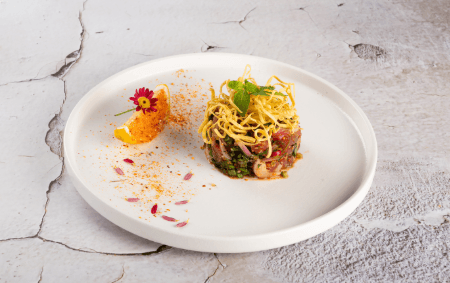
2. Mevsimsellik: Doğanın Ritmiyle Pişirmek
Modern gastronominin temel prensiplerinden biri olan mevsimsellik, Michelin müfettişlerinin ürün kalitesi kriterinin merkezinde yer alıyor. Yıldızlı mutfaklar, coğrafyanın sunduğu en doğru zamanı yakalamaya çalışıyor.
Mevsime göre dönüşen menüler, malzemenin en saf halini korurken restoranın kimliğini bulunduğu coğrafyayla daha güçlü bir bağa taşıyor.
Bu yaklaşım, fine dining mutfağını yalnızca teknik bir alan olmaktan çıkarıp yerel bir anlatıya dönüştürüyor.
Mevsimsellik, aynı zamanda üreticiyle kurulan ilişkinin sürekliliğini de güçlendiriyor. Ürünün yolculuğu, yalnızca lojistik bir süreç olmaktan çıkıp bir değer zincirine dönüşüyor.
3. Sürdürülebilir Tedarik Zinciri ve Yeşil Yıldız
2020'den itibaren Michelin Rehberi'nde yer alan Yeşil Yıldız, fine dining dünyasında yeni bir ölçütü temsil ediyor. Bu yıldız, yalnızca iyi yemek yapan değil; çevresel ve sosyal etkisinin farkında olan restoranları görünür kılıyor.
Yeşil Yıldız kriterlerinin başında ürün menşei bilinci ve atık ile kaynak yönetimi geliyor.
Bu yaklaşım, restoranların başarısının artık yalnızca tabaktaki lezzetle değil; mutfağın ekosistemle kurduğu ilişkiyle de değerlendirildiğini gösteriyor.
Ürünün menşei, üretim biçimi ve izlenebilirliği, mutfakların görünmeyen ama belirleyici unsurları haline geliyor.
Sonuç: Fine Dining'de Yeni Lüks, Bağ Kurmak
Michelin yıldızına giden yol artık yalnızca mutfak tekniklerinden geçmiyor. Ürüne, üreticiye ve coğrafyaya kurulan bağ, fine dining dünyasının yeni lüksünü tanımlıyor.
Yerel üreticiyi merkeze alan, mevsimselliği önemseyen ve etik tedariki görünür kılan restoranlar, Michelin mutfağının ortak paydasını oluşturuyor.
Ingredy, bu yaklaşımı benimseyen restoranlar için daha şeffaf, daha sürdürülebilir ve daha anlamlı bir tedarik zemini sunuyor.
